
I use a standard 9 x 13 inch pan for quarter sheet cakes, which handles most of my home baking requests without any waste.
My pans usually run 1 to 3 inches deep, and I often go with two layers if I want a taller, more impressive cake for a crowd.
This size typically feeds about 18 to 24 people comfortably, though you can stretch it to 30 with smaller slices. Once you know the basic dimensions, pan swaps and batter adjustments become straightforward.
Stay tuned for the exact specs, serving tips, and sizing advice I’ve gathered along the way.
Quarter Sheet Cake Dimensions: 9×13 Inches (Plus Variations)
How do you determine the size of cake you need? Understanding quarter sheet cake dimensions is essential in any baking discussion.
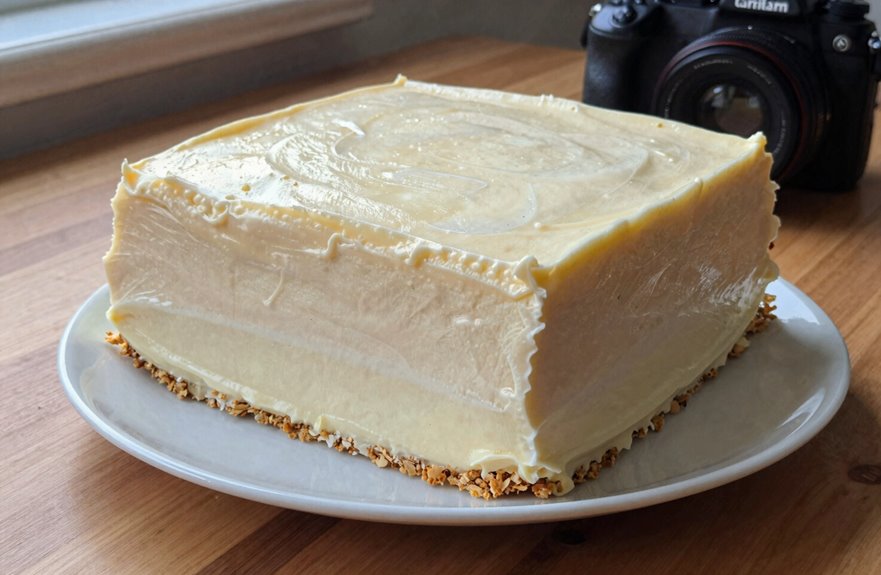
A standard quarter sheet measures 9 x 13 inches and usually ranges from 1 to 3 inches deep. This size fits well in most home ovens and is perfect for small gatherings.
Always check your pan, as manufacturers may have slight variations in dimensions. For two-layer cakes, plan your batter and frosting around the same 9 x 13 footprint, simply increasing the height.
Familiarity with these dimensions aligns you with the standard trio of quarter, half, and full sheets, making communication with other bakers easier.
How Many People Does a Quarter Sheet Cake Feed?
A quarter sheet cake feeds roughly 18 to 24 people, and I adjust my estimate based on how generous I want each slice to be. When hosting friends or family, I want everyone to feel included and satisfied; nobody should leave hungry.
I typically cut my quarter sheet into a 3×6 grid, yielding 18 hearty pieces. If I’m feeding a larger crowd or want lighter portions, I slice smaller for 24 servings instead.
A 2×2 inch baseline works well for standard appetites.
This pan size is great for gatherings, as it provides enough servings without overwhelming leftovers. I match my guest count to the quarter sheet’s capacity to ensure there are enough servings while keeping waste minimal.
It works well for events where everyone can enjoy and share.
9×13 Pan Alternatives (and How to Adjust Batter)
I often find myself without my 9 x 13 pan and have learned to adapt with what I have. It’s common to be ready to bake only to discover that your quarter sheet pan is missing or in use.
This is where pan alternatives become useful.
I have found that 8×13 or 10×13 pans work well as substitutes, though adjustments in approach are necessary. When modifying batter, I recommend starting with a tested recipe and recalculating the volume to ensure consistent cake thickness.
A slightly wider pan will result in a thinner spread of batter, while a narrower one will create more height. I aim for a similar final layer depth to what a 9×13 pan would produce.
Measure carefully to successfully adapt your baking.
How Much Batter for a Quarter Sheet Cake
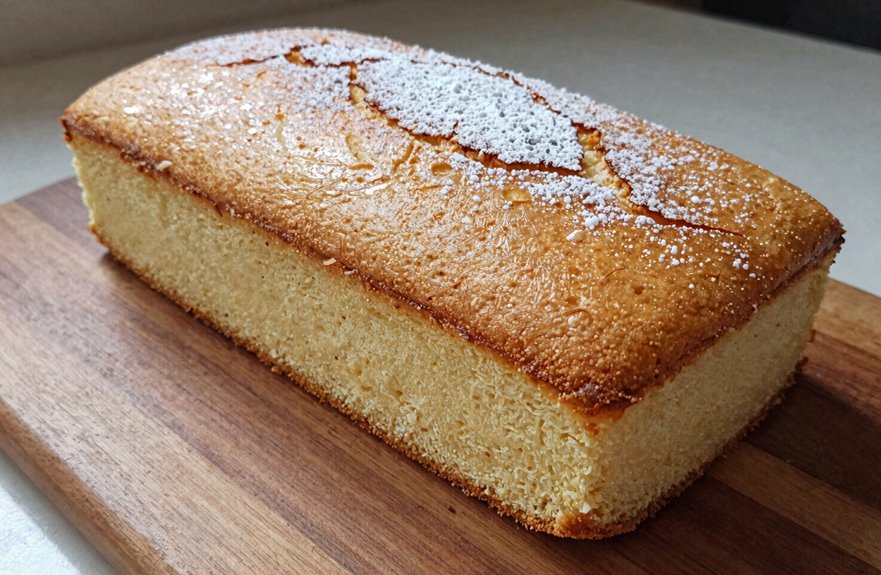
Determining the right batter amount for a quarter sheet cake depends on your desired layer height and whether you’re building a single or double-layer cake.
I typically plan for two stable layers at 1.5 to 2 inches each for that classic bakery-style look.
Here’s how I calculate my batter quantity:
- I use the equation method: (Width × Length × Height) / rise ratio to estimate volume accurately.
- I scale for about 8 cups of batter per layer when building a standard two-layer 9 x 13 inch cake.
- I remember boxed mixes yield roughly 4–5 cups each, so I often need multiple batches for proper batter height.
- I adjust batter height goals based on whether I’m adding rich filling between layers.
Getting this right ensures our cakes bake evenly with beautiful, flat surfaces ready for frosting.
Bake at 350°F: Timing for Even, Flat Layers
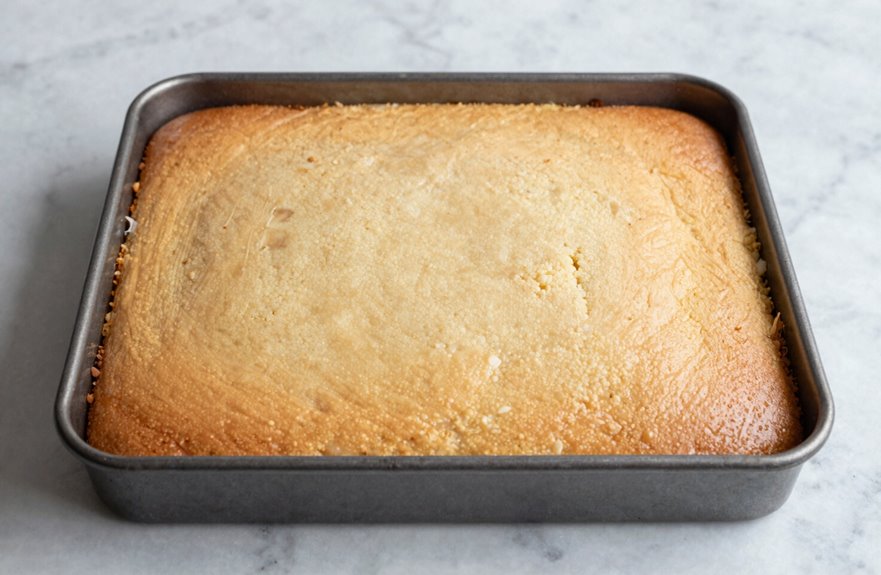
I always set my oven to 350°F when baking quarter sheet cakes because this temperature provides reliable, even layers without doming or cracking. Start checking for doneness around the 25-minute mark; thicker batters typically need closer to 35 minutes.
Insert a toothpick to look for a clean center or a few moist crumbs, depending on your plans.
For pans deeper than two inches, I use a heating core or a couple of flower nails in the batter to draw heat toward the center and prevent a sunken middle.
Oven Temperature Basics
A steady 350°F (175°C) gives me the most reliable results for quarter sheet cakes, delivering even, flat layers without doming or sunken centers.
This temperature strikes the perfect balance for sheet pans; it is hot enough to set the structure quickly and gentle enough to bake through without cracking.
To ensure success every time, I follow these steps:
- Position sheet pans in the oven’s center for consistent heat distribution.
- Verify your oven’s actual temperature with a thermometer, not just the dial.
- Insert heat-conducting cores or nails for larger batches to eliminate wet centers.
- Resist peeking early; temperature drops cause uneven rising.
Once baked, I always let layers cool completely before leveling. This patience results in stable, stackable cakes ready for frosting.
Mastering these basics can significantly enhance your baking.
Baking Time Guidelines
How long should you bake a quarter sheet cake at 350°F? I usually set my timer for 25 to 35 minutes.
The perfect baking time depends on your specific batter and pan depth. Fill your quarter sheet with about 8 cups of batter per layer for an ideal rise.
To test for doneness, insert a toothpick into the center. If it comes out clean or with just a few moist crumbs, the cake is properly baked.
For even, flat layers that stack well, avoid rushing the cooling process. Allow them to cool completely before assembling to ensure stability and prevent sliding or cracking.
Heat Distribution Tools
Getting that 25 to 35 minute bake right depends on more than just setting a timer; it’s about managing how heat moves through your quarter sheet.
Proper heat distribution separates good cakes from great ones, and I’m sharing what works in my kitchen.
Here’s how I ensure even, flat layers every time:
- I always bake at 350°F to promote steady heat distribution across the full 9×13 inch surface.
- I insert baking aids like heat-conducting cores or nails to eliminate center hot spots.
- I plan batter carefully for two-layer builds, ensuring uniform thickness and height.
- I rely on the toothpick test; clean or few crumbs indicate the cake is done.
For larger volumes, I use 3-inch depth pans and additional baking aids to maintain consistent layering.
Single or Double Layer Quarter Sheet Cake?
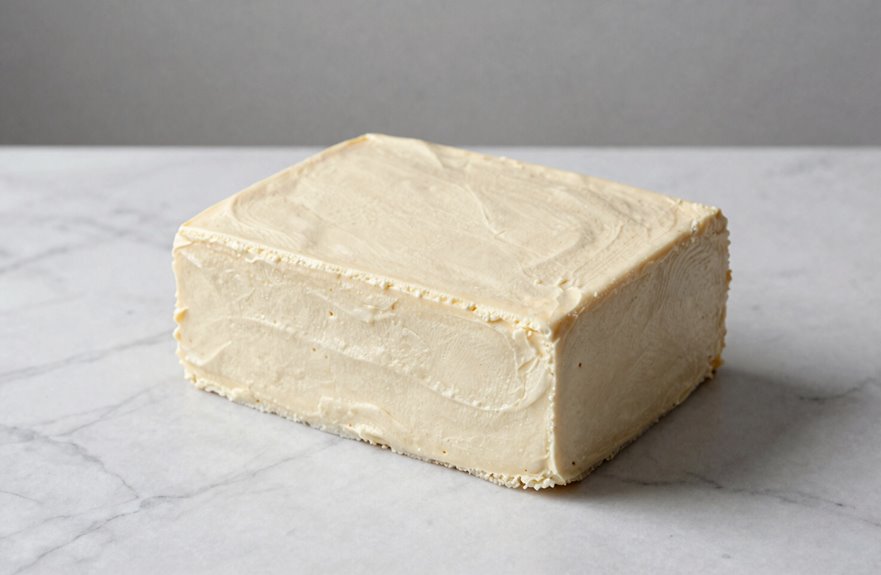
When deciding between a single or double layer quarter sheet cake, consider the type of celebration you’re planning.
For intimate gatherings where you need fewer servings, a single layer works well; it’s simpler, bakes faster, and still delivers that homemade charm. For larger crowds, a double layer is more suitable.
A double layer quarter sheet enhances your 9 x 13 inch creation. The filling between layers adds visual appeal and extra flavor, encouraging guests to gather around the table.
You’ll get generous servings—18 to 30—with more height per slice. The first cut reveals those perfect stacked layers.
Tested Quarter Sheet Cake Recipes (Vanilla, Chocolate, Lemon)
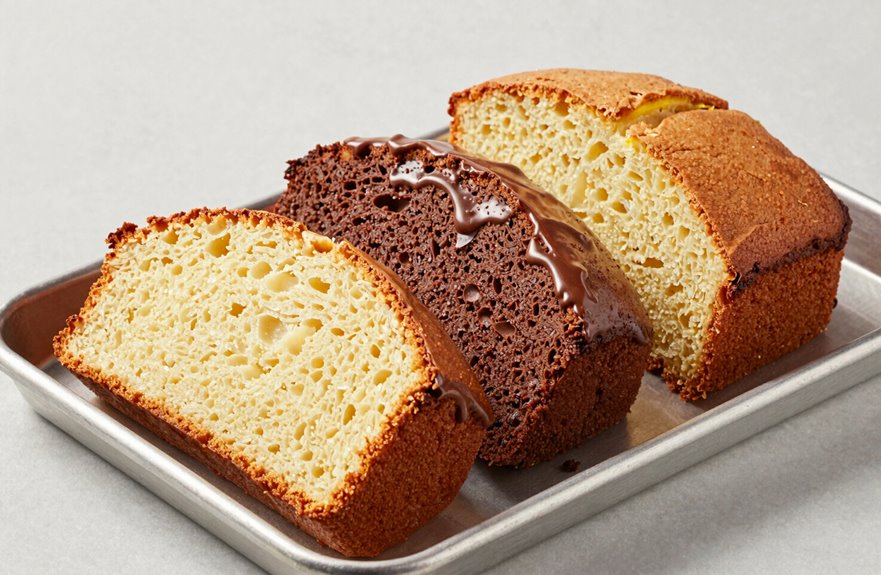
I have tested both the classic vanilla base and rich chocolate options in my 9 x 13 pans, sharing the versions that consistently yield clean layers and reliable rises.
I measure batter in cups after mixing, usually 4–5 cups per layer, to ensure proper filling without scorching the edges. Once you master these two foundations, they easily adapt to various fillings or frostings for your layers.
Classic Vanilla Base
The classic vanilla quarter sheet cake serves as my go-to foundation for building reliable, crowd-pleasing desserts.
When baking for community gatherings, this quarter-sheet size is ideal. At 9 x 13 inches, it feeds 20 to 30 people without overwhelming your kitchen counter.
Here’s what works every time:
- Plan for two layers with filling between and frosting on top.
- Expect 4 to 5 cups of vanilla batter per pan.
- Bake at 350°F until a toothpick comes out clean.
- Slice 2 x 2 inches for parties or 2 x 3 inches for generous portions.
This approachable recipe invites you into confident baking, allowing you to join home bakers who have mastered the essential quarter-sheet classic.
Rich Chocolate Options
Chocolate demands more from a baker, requiring deeper flavors, careful moisture balance, and precise timing to avoid dryness. I’ve tested butter-based batters and moist sour cream variants for our 9 x 13 inch quarter sheet builds, both rewarding patience.
You’ll need roughly 8 cups of batter per layer, totaling 16 cups for a two-layer cake reaching 2-3 inches tall.
I always choose quality cocoa powder, as it anchors that deep chocolate character we crave. For reliable results, I trust Fat Daddio or USA Pans quarter sheet pans with their 3-inch depth and even heat distribution.
Once cooled, slice your cake into 2×3 inch pieces, yielding about 20-30 servings. Your chocolate quarter sheet is set to impress.
Quarter Sheet Cake Decorating: Simple Techniques That Work
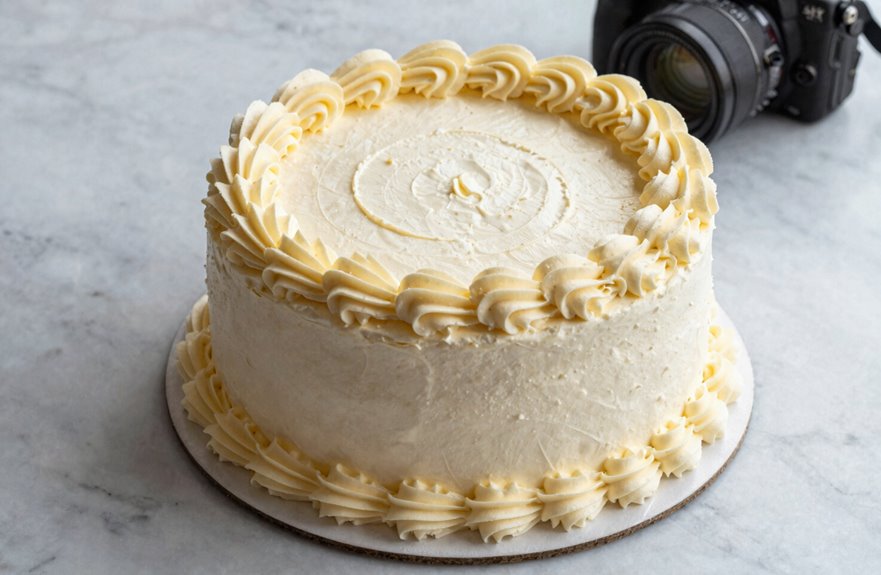
Why struggle with elaborate designs when a 9 x 13 quarter sheet offers the perfect canvas for straightforward, effective decorating? This size invites bakers without intimidation.
Whether you’re new to sheet cake decorating or refining your craft, these techniques build confidence and community.
- Smooth frost the top with an offset spatula for clean, professional results.
- Pipe simple shell borders along the 9 x 13 edges using a star tip.
- Add sprinkles or fresh fruit arranged in rows matching your planned cutting pattern.
- Write messages with a piping bag fitted with a small round tip.
A quarter sheet cake serves as a shared centerpiece, bringing people together through uncomplicated beauty.
How to Cut a Quarter Sheet Cake (Slice Sizes That Work)
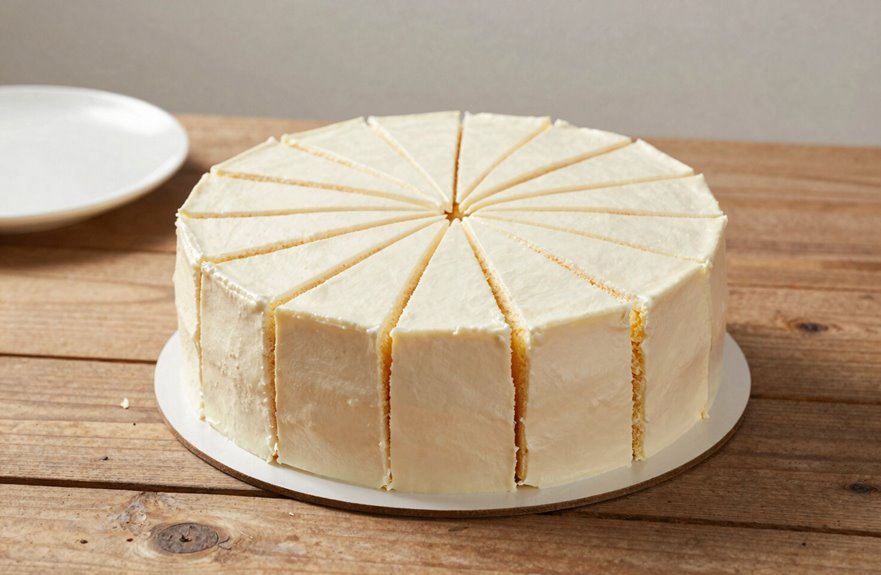
How many guests can I feed with a single quarter sheet? I typically plan for 18 to 24 servings, depending on the slice sizes I choose.
My approach divides the 9 x 13 inch quarter sheet into a grid that matches my crowd.
| Slice Size | Grid Pattern | Servings |
|---|---|---|
| 2 x 2 in | 4 rows x 6 columns | 24 |
| 2 x 3 in | 3 rows x 6 columns | 18 |
| 3 x 3 in | 3 rows x 4 columns | 12 |
I align my slice sizes with my guest count to minimize waste and ensure everyone feels included. Whether hosting an intimate gathering or a larger celebration, this quarter sheet adapts well.
Planning ahead allows me to serve confidently, knowing each piece is fair and generous.
How to Store, Freeze, and Transport Quarter Sheet Cakes
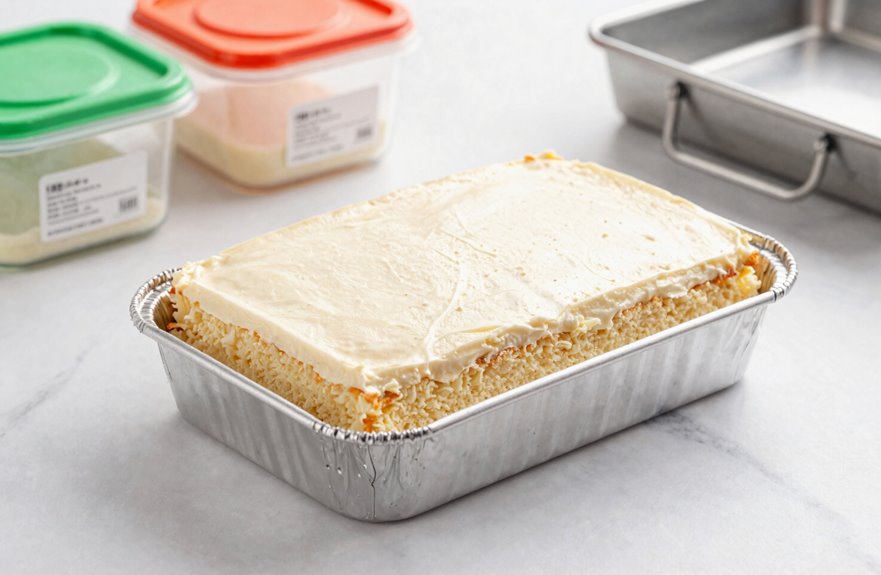
I’ll show you how to keep your 9 x 13 inch quarter sheet cake fresh and intact from kitchen to celebration.
You’ll learn proper storage techniques for both short-term room temperature keeping and longer refrigeration, along with freezing methods that preserve quality for up to a month.
Safe transport methods will also be covered, including chilling the cake first and using non-slip mats, ensuring your cake arrives in excellent condition.
Proper Storage Techniques
Storing a quarter sheet cake properly begins with understanding its dimensions. At 9 x 13 inches, it fits easily into standard refrigerators and freezers without awkward maneuvering.
Here’s how I keep my cakes fresh and ready:
- Wrap unfrosted layers in parchment paper before refrigeration to prevent drying and absorption of odors.
- Refrigerate frosted cakes for up to 5 days, covering loosely to protect decorations.
- Let chilled cakes rest at room temperature for 30 minutes before serving to enhance flavor.
- Transport on non-slip mats with the cake thoroughly chilled to maintain frosting integrity.
I always chill before moving my quarter sheet cakes; those 9 x 13 inches remain stable, ensuring my creation arrives as intended.
Freezing Best Practices
Why let leftovers go to waste when you can freeze them effectively? Freezing quarter sheet cakes begins with patience; always cool layers completely first.
Then, wrap each one tightly in plastic wrap, followed by aluminum foil to create a barrier against freezer burn. This double-wrap method keeps my 9 x 13 inch layers fresh for up to one month.
When I’m ready to use them, I thaw overnight in the refrigerator or leave them at room temperature for a few hours. For frosted cakes, I wrap them even more securely to protect that beautiful finish.
Mastering this freezing technique ensures I am always prepared for spontaneous celebrations without sacrificing quality or taste.
Safe Transport Methods
Once my cakes are frozen and ready, getting them to their destination safely becomes my next priority. Sheet cake sizes like the quarter sheet require special attention to arrive intact.
Here’s how I protect my creations:
- I wrap and chill layers before transport to lock in stability.
- I place non-slip mats under boxes to stop sliding during drives.
- I slide a rigid cake board beneath every quarter sheet for weight distribution.
- I stack frozen layers with care, knowing I have up to one month of storage flexibility.
For transport safety, I never skip that sturdy base—quarter sheets measure 9 x 13 inches and need proper support. With stable frosting, my cakes sit comfortably at room temperature for two days, so I have ample time for delivery.
This ensures beautiful cakes reach their destination every time.
When to Size up From a Quarter Sheet Cake
Sometimes I finish decorating a quarter sheet only to realize I’ve underestimated my guest list. We’ve all been there, counting names again, hoping 18–24 slices will be enough.
When your gathering grows beyond intimate, it’s time to size up.
I move from a quarter sheet to a half sheet when my headcount hits 30 or more. That 13 x 18 inch half sheet maintains the same cutting pattern I already know, providing more generous portions for everyone.
This way, no one has to skip dessert.
For weddings or larger celebrations, I plan for 2″ x 3″ slices and jump straight to full sheet territory. This ensures that no one hovers uncertainly near the cake table, wondering if there’s enough to go around.
Having plenty to share fosters a sense of belonging.