A 10-inch round cake feeds 26 to 38 guests depending on how you slice it. I cut generous 2-by-3-inch wedges when hosting a birthday, yielding about 22 servings.
For casual parties, I use standard 1.5-by-2-inch party portions, which provide roughly 28 slices. When catering a formal event with multiple desserts, I switch to tidy 1-by-2-inch wedding-style cuts, allowing for 38 servings.
The cutting style you choose significantly impacts the number of servings, and I will demonstrate how to match your slices to your crowd.
How Many People Does a 10-Inch Cake Serve?
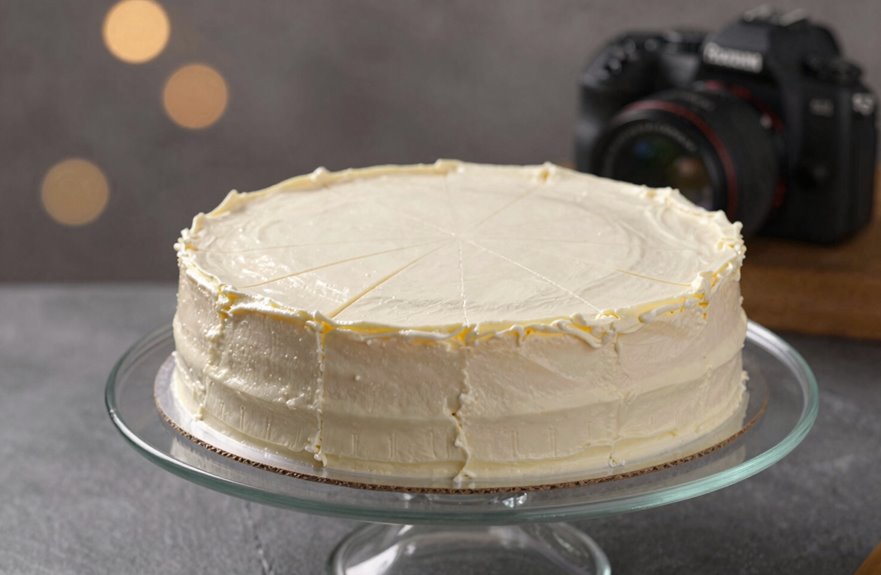
How do you slice a 10-inch cake to feed your crowd? Many people ask this, so let’s figure it out together.
Serving sizes are key. A 10-inch round cake generally serves 26 to 38 guests, depending on how you cut it.
For casual parties, I follow Wilton’s party-style guide, which suggests about 28 portions. For more formal events, smaller wedding-style wedges can yield up to 38 slices.
Getting the portions right ensures your guests are satisfied without excess waste. Understanding these serving sizes gives you control over the cake’s distribution.
Whether you’re stacking tiers or cutting edge-to-edge, that 10-inch round offers flexibility that suits your gathering well.
Your 10-Inch Cake: 22 Slices vs. 28 Slices
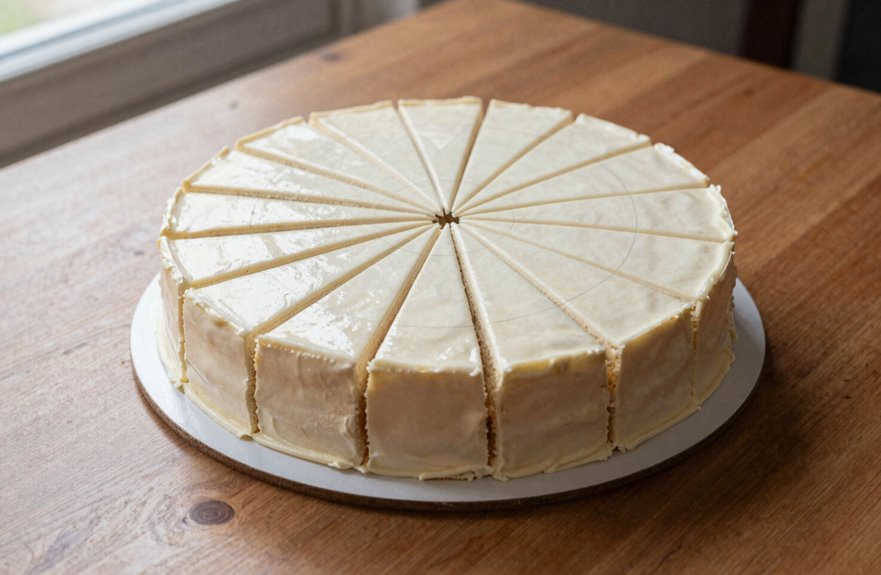
Your 10-inch cake may yield 22 slices or 28 slices, depending on your approach. The slice size changes based on whether you prefer generous wedges or measured party portions.
My cutting style and the context of your event, whether it’s a casual backyard gathering or a structured cocktail reception, will determine where your cake falls in that range.
Slice Size Math
Have you ever considered the slice count of a 10-inch cake? The key factor is serving sizes.
Let’s break down the slice size math.
When I cut generous party portions, using Wilton’s standard 1.5″ x 2″, my 10-inch round yields about 28 servings. I can stretch that same cake to roughly 38 portions by trimming slices down to a sensible 1″ x 2″.
This modest reduction nets me ten extra servings from one cake.
I always choose my portion style before I bake. Serving sizes directly determine whether I’m feeding a cozy gathering of 28 or accommodating 38.
Nailing this math upfront helps avoid awkward moments when guests hover expectantly by the dessert table.
Cutting Style Impact
Why does the same 10-inch cake sometimes feed 22 people and other times 28? It all comes down to your cutting style.
You can feel confident when you slice, knowing you’re including everyone without waste.
| Cutting Style | Slice Size | Servings |
|---|---|---|
| Generous wedges | 2″ x 3″ | 22 |
| Standard party | 1.5″ x 2″ | 28 |
| Wedding-style | 1″ x 2″ | 38 |
| Finger portions | 1″ x 1″ | ~50 |
I adjust my cutting style based on who’s gathered around my table. For a casual backyard gathering, I prefer hearty wedges where people linger and laugh.
In a formal celebration with multiple desserts, I opt for slender slices so every guest feels considered. Your knife technique influences how the same cake serves different occasions.
Serving Context Matters
How do I decide between 22 generous wedges and 28 standard slices? I consider who’s joining me.
For a casual get-together, I choose those 28 party portions; no one wants to feel shortchanged on dessert. When hosting something fancier, I opt for 38 wedding-style serving sizes instead.
The setting influences everything. I’ve learned that serving sizes are not just numbers; they reflect a desire to make people feel welcome.
If my crowd is hungrier, I’ll lean towards 22 bigger pieces. If I have other treats on the table, I’ll extend it to 28 or more.
Aligning the portion size with the occasion helps ensure everyone enjoys the celebration.
The Generous Slice (2×3 Inches): Is It Right for Your Event?
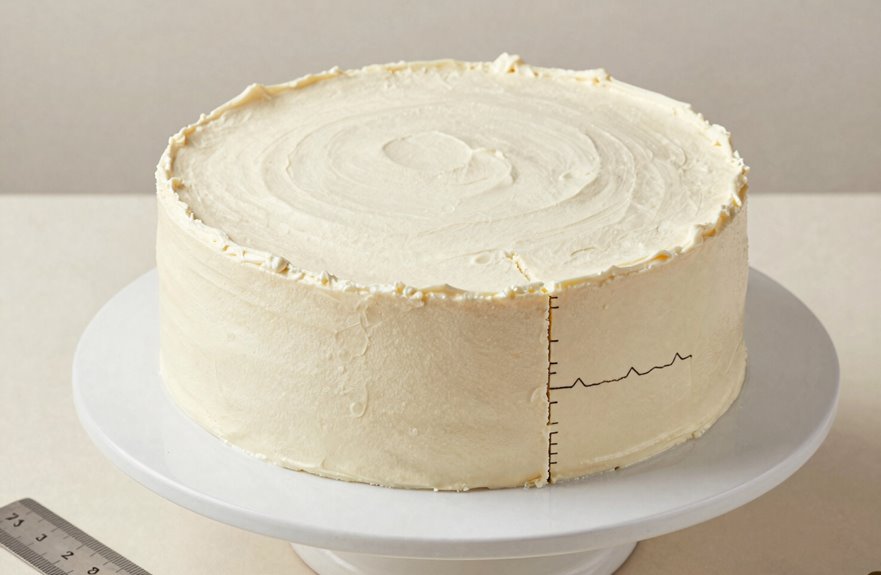
A 2×3 inch generous slice translates to about 6.5 square inches of cake, which matches standard party-style portions. However, this size can significantly reduce the number of guests you can serve if not carefully considered.
Evaluate whether your event requires such an indulgence; for example, a casual backyard celebration might accommodate it, while a formal seated dinner could overwhelm guests or stretch your budget across additional tiers.
Balancing portion size and guest count is essential, as 28 generous servings may not cover your list, necessitating a companion cake to meet demand.
Portion Size Reality
Where does “generous” end and “too much” begin? I’ve asked myself this when I’m staring at a 10-inch cake and wondering if I’m being thoughtful or wasteful.
A generous portion, roughly 2 by 3 inches, gives each guest about 6.5 square inches of cake. This size transforms your 10-inch round into approximately 28 party-style servings rather than the 38 you’d get from standard wedding cuts.
I reach for this size when I want people to feel satisfied, not just full. I’ve learned to check myself: am I creating abundance or excess?
Using a cake calculator helps me align reality with intention. A generous portion works well when I want guests to linger over their plates, feeling cared for rather than counted.
Event Type Match
When should you choose a generous slice over something smaller? I refer to my serving chart when I want everyone to feel welcome and satisfied.
The generous 2×3 inch cut is ideal for gatherings where we prioritize experience over strict rationing.
I lean into those hearty portions during:
- Birthday celebrations with close friends who will linger for seconds.
- Family reunions where abundance signals love.
- Casual office parties where nobody is counting calories.
- Weekend barbecues where cake anchors the whole afternoon.
Matching portion size to event type fosters connection. A 10-inch round generously cut feeds roughly 28–38 guests, which is perfect for cultivating an atmosphere of plenty.
For larger crowds, I pair it with sheet cake rather than shrinking my slices.
Serving Count Impact
How does that generous 2×3 inch slice translate to real headcounts? It yields roughly 28 servings from a 10-inch round cake.
This amount allows guests to feel included and satisfied.
| Slice Style | Dimensions | Servings |
|---|---|---|
| Generous | 2×3 in | 28 |
| Standard Party | 1.5×2 in | ~32 |
| Conservative | 1×2 in | 38 |
| Event Match | Varied | 28–38 |
| My Recommendation | Mixed | ~38 |
When hosting, I recommend planning for around 38 servings. This range accommodates different appetites without leaving anyone feeling shortchanged.
Understanding these serving counts helps create a welcoming atmosphere for family or new friends.
The Sensible Slice (1×2 Inches): When Smaller Portions Work
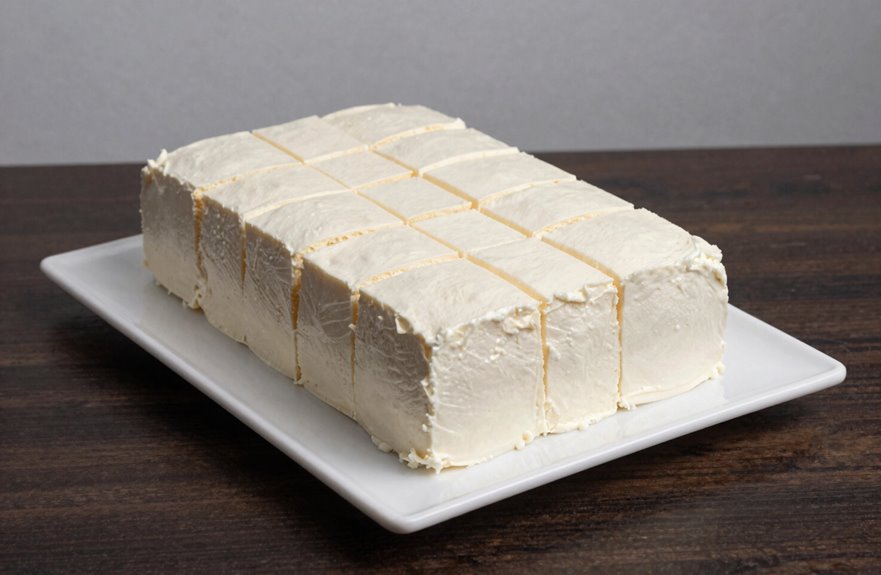
Why settle for oversized slices when a modest 1×2 inch cut does the job? I prefer this approach when I’m hosting larger gatherings and want everyone to feel included while keeping costs manageable on multiple cakes.
Sensible serving sizes shine in these situations:
- Office celebrations where colleagues grab a quick bite between meetings
- Kids’ parties abundant with other sugary treats
- Weddings with extensive dessert spreads
- Afternoon tea service alongside finger sandwiches
With 1×2 inch slices, I can carve about 28–38 portions from my 10-inch round. Wilton’s standard party style supports this at roughly 28 servings.
Each piece delivers around 2.5 square inches of satisfaction—enough to honor the moment without overwhelming guests. We’re maximizing our guest list while ensuring an elegant and practical experience.
What Changes Your 10-Inch Cake’s Final Count?
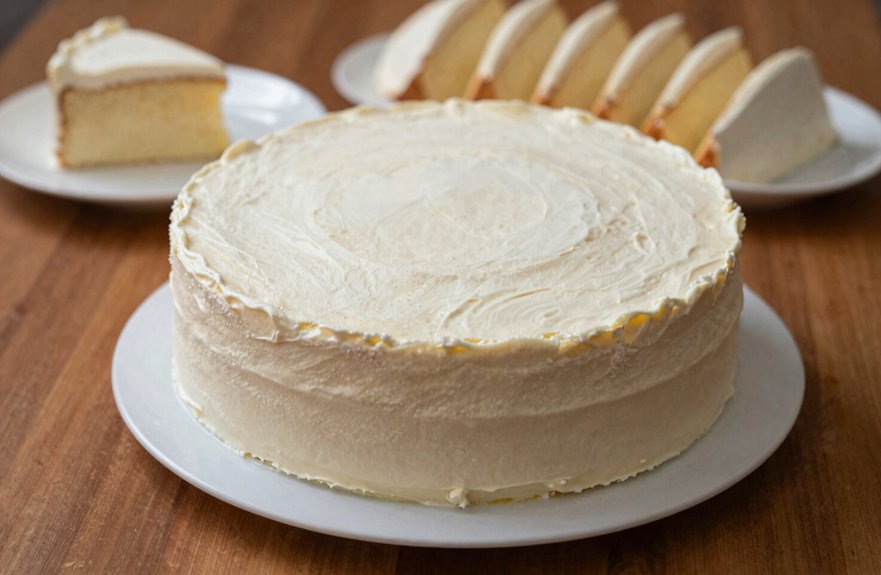
Several factors determine how far my 10-inch round cake stretches. Serving sizes play a significant role in my final count.
When I cut party-style portions, I get roughly 28 slices. Switching to wedding-style serving sizes increases that to about 38.
That’s a ten-slice difference from the same cake.
I also consider the attendees. A crowd of light eaters allows me to stretch smaller portions toward that 38 mark.
Heavy dessert lovers push me toward the lower end. The occasion influences expectations as well; casual gatherings differ from formal events.
When I expect more than 38 guests, I pair my 10-inch round with extra sheet cake instead of compromising the slice size. Understanding these variables helps me plan effectively, ensuring everyone has a satisfying experience during the celebration.
Cutting Trick: More Slices From the Same 10-Inch Cake
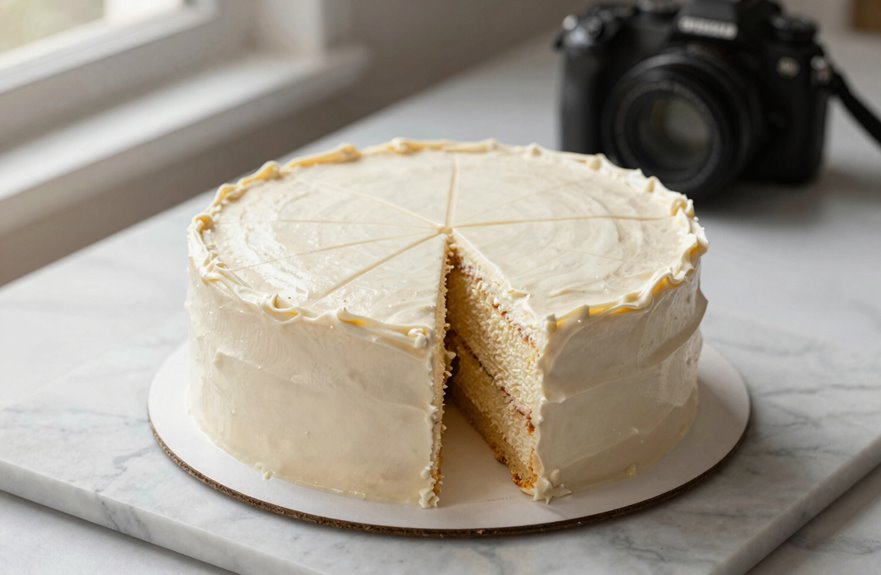
I use three simple tricks to stretch a 10-inch cake further without anyone feeling shortchanged.
The grid method provides clean, even party portions, while the inner-circle technique allows me to cut smaller slices from the center and larger ones from the outer ring for varied appetites.
By adjusting portion sizes—thinner slices for larger crowds or more generous pieces for smaller gatherings—I can serve anywhere from 26 to 38 guests from the same cake.
Grid Method Cutting
How can you squeeze extra servings from a 10-inch cake without anyone noticing smaller portions? I use the grid cutting method to transform one round into dozens of neat, uniform pieces that feel generous even when modest.
Here’s how we maximize every inch together:
- Score your 10-inch cake into even rows across the diameter.
- Rotate and score perpendicular lines to create a tidy grid pattern.
- Cut cleanly along your marks with a warm, sharp knife.
- Serve these bite-sized squares confidently; no one misses the wedges.
This approach easily yields 30–40 mid-size slices from the same cake that normally serves 28–38. We are sharing the celebration more widely.
The grid cutting method allows your 10-inch creation to welcome everyone without a second bake.
Inner-Circle Technique
A dozen extra hands often reach for cake just as I’m slicing the last wedge. I’ve learned the Inner-Circle technique to welcome everyone without stretching portions uncomfortably.
I cut a small circle from the center first, then slice wedges radiating outward. This creates more edge pieces that look generous on the plate while keeping servings sensible.
| Cut Style | Base Servings | With Inner-Circle |
|---|---|---|
| Party | 28 | 30-34 |
| Wedding | 38 | 40-44 |
| Aggressive | — | Up to 46 |
Thin outer wedges grouped strategically allow me to offer 2-6 extra pieces from the same 10-inch cake. Guests feel included, portions stay reasonable, and I never turn someone away from the table.
Portion Size Flexibility
Why stick to standard slices when there are options? Flexibility transforms every serving into an opportunity to bring more people together.
Here’s how I stretch my 10-inch cake without anyone feeling shortchanged:
- Sensible cuts: I trim 1-by-2-inch strips for 28–33 modest servings when I have a crowd.
- Generous wedges: I go 2-by-3 inches for 20–24 hearty portions during intimate gatherings.
- The 3-by-3 grid: I slice nine clean wedges that photograph beautifully while maximizing usable cake.
- Two-tier display: I stack a 6-inch round atop my base, adding height and visual drama without sacrificing total servings.
Whether you’re feeding twenty or thirty-eight, you control every slice.
20 Guests or 28? How to Match Your Crowd to Your Cake
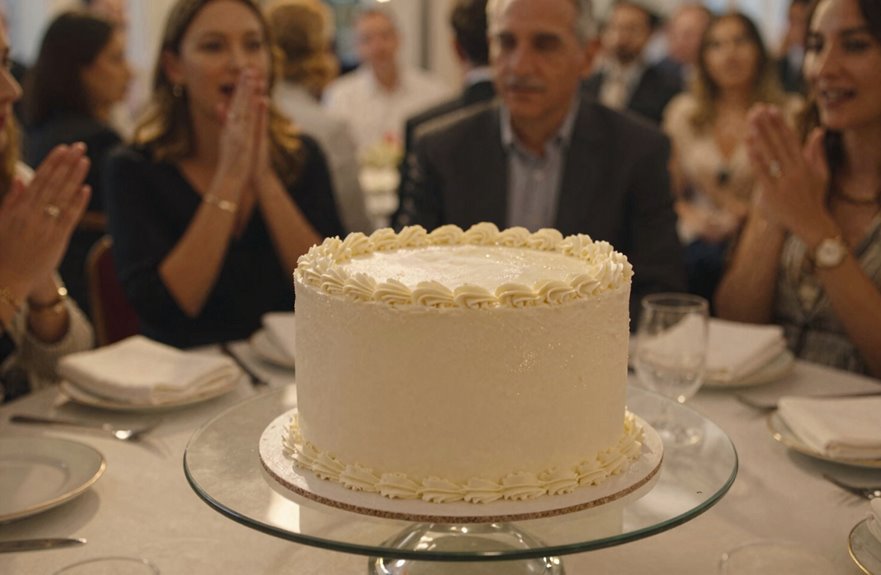
When deciding between a 10-inch cake for 20 guests or stretching it to 28, I picture how my crowd eats. A 10-inch round cake provides flexibility; smaller slices can feed 28 party-style, while generous wedges satisfy about 20.
I consider the type of gathering to match my crowd to my cake.
| Crowd Type | Slice Size |
|---|---|
| Kids’ party | Small (28 servings) |
| Casual adults | Medium (24 servings) |
| Dessert lovers | Large (20 servings) |
| Mixed group | Varied (22–26 servings) |
| Seconds expected | Extra-large (16–18 servings) |
For 20 guests, a 10-inch round is sufficient. For 28, I cut smaller slices.
I prefer to ensure everyone has enough, so I often plan for one extra slice as a backup.
When Your 10-Inch Cake Isn’t Enough: Add a Sheet Cake
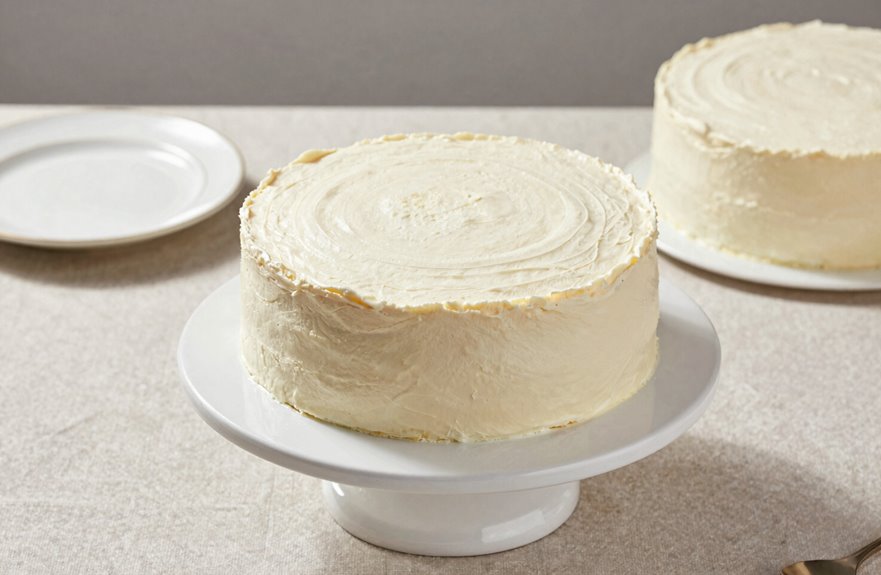
Adding a sheet cake effectively addresses the issue when my 10-inch cake isn’t enough to serve everyone. This combination increases my serving count while keeping costs reasonable.
I will break down the exact sizes I use to ensure my final numbers align with the crowd size.
Sheet Cake Benefits
Sometimes you need more than 28 slices. That’s when I turn to sheet cakes; they have been a reliable solution for many gatherings.
Here are the reasons to consider this option:
- Scalability: A quarter sheet feeds 20–24, a half sheet feeds 36–48. We match our crowd, avoiding waste.
- Efficiency: More servings per pan than sizing up round cakes; we get good value for our money.
- Flexibility: Pair an 8-inch display cake with a half sheet for 55–70 servings; guests enjoy the visual appeal while we ensure everyone is served.
- Consistency: Standard rectangular pans mean every bakery understands our request.
We aim for full satisfaction, ensuring every friend, cousin, and plus-one gets cake. This approach fosters a sense of community, ensuring no one leaves hungry or feels left out.
Sizing Your Addition
A 10-inch cake provides about 28 party servings. When I need more servings, I add a sheet cake.
This approach is smart, affordable, and ensures everyone is included.
Here’s how I pair them:
| Round Cake | Sheet Addition | Total Servings |
|---|---|---|
| 10-inch | None | 28 |
| 10-inch | Quarter sheet | 46–52 |
| 10-inch | Half sheet | 64–76 |
| 10-inch + tiered | Half sheet | 90+ |
| 10-inch | Full sheet | 100+ |
I order two days in advance for standard cakes and allow more time for larger combinations. A half-sheet (12×18 inches) provides 36–48 extra servings, which is ideal for ensuring everyone is satisfied.
10-Inch vs. 8-Inch vs. 12-Inch: Which Do You Actually Need?
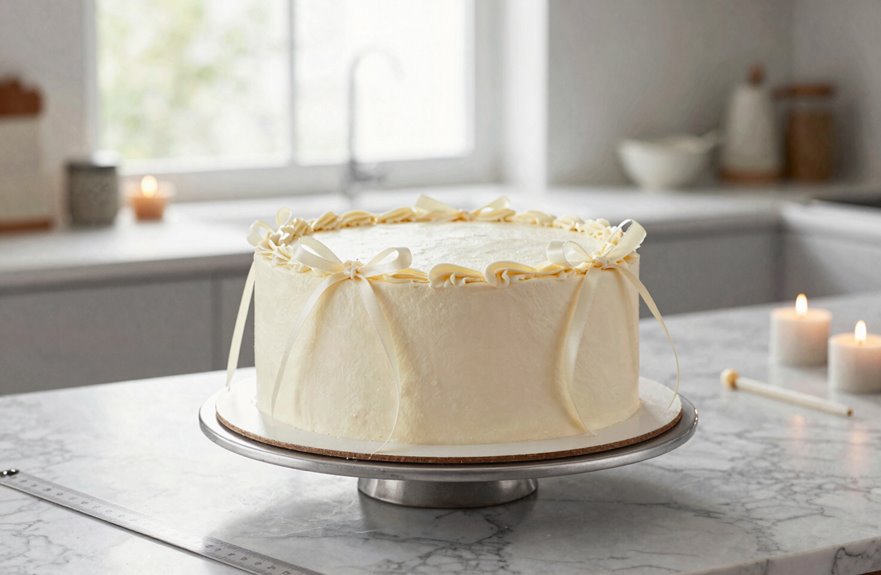
Why are you looking at three cake pans, trying to decide which one will leave you with satisfied guests rather than a fridge full of leftovers? This is how I break it down:
- Intimate gathering? Grab the 8-inch for 20–24 servings; it’s perfect for your closest crew.
- Mid-size celebration? The 10-inch delivers 28–38 servings, ideal for around 30 guests.
- Bigger bash? Go with the 12-inch for 40–56 servings to feed the entire party.
- Need flexibility? Pair a 10-inch with an 8-inch or add a sheet cake for 55–70 servings.
I always match my pan to my headcount. Choosing a size that is too small can feel stingy, while one that is too large can lead to unnecessary expense.
Select the size that ensures everyone is included and minimizes waste.
Should You Pick a Taller Cake or a Bigger Pan?
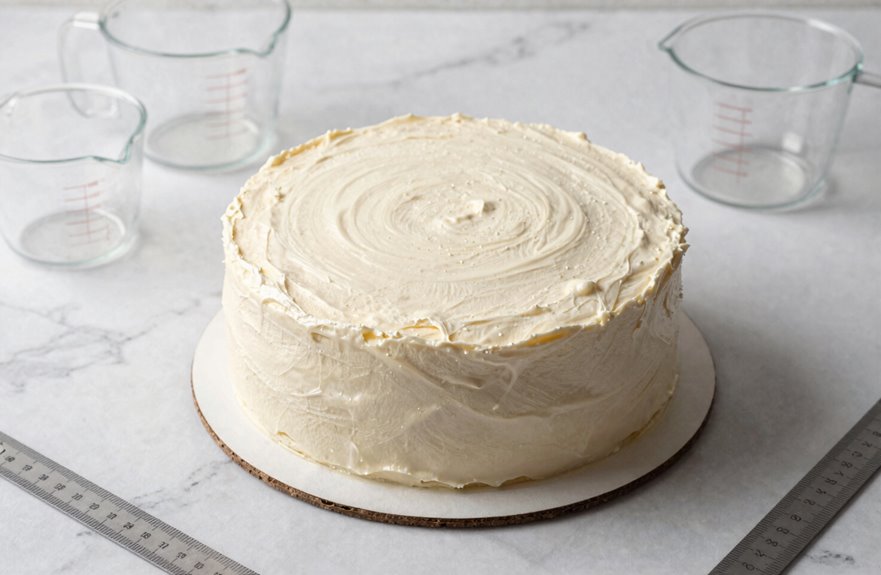
How do you decide between stacking layers sky-high or simply sizing up your pan? I have faced this dilemma when planning gatherings where I want everyone to feel included and impressed.
A 10-inch round gives you roughly 28 to 38 servings, which covers most celebrations beautifully. However, when I’m hosting 40 to 55 guests, I need more.
Going taller adds drama and that Instagram-worthy presence many aspire to, yet it doesn’t actually increase your servings significantly. For genuine headcount coverage, I prefer to grab a bigger pan or add a discreet sheet cake in the back.
This approach stretches my servings without stretching my budget or display space. Ultimately, I weigh my crowd size against my vision, ensuring there’s enough cake for everyone.
What to Tell Your Baker About Portion Sizes
Once I’ve settled on my cake dimensions, I focus on the details that ensure I don’t run short. I bring a serving chart to my baker and discuss the specifics:
- My exact guest count so we are planning for real numbers.
- Whether I want party portions (larger slices, approximately 28 servings) or wedding portions (smaller slices, approximately 38 servings).
- My event style; casual gatherings need generous cuts while formal affairs suit dainty pieces.
- Whether one 10-inch round covers us or if we need tiered sizes.
I don’t assume my baker reads my mind. When I mention 28 to 38 servings, I’m referring to Wilton standards they are likely using as well.
This clarity ensures my celebration is fully supplied and my guests are satisfied.
What a 10-Inch Custom Cake Costs in Los Angeles
Where does my budget land for a 10-inch custom cake in Los Angeles? I typically spend $180 to $260, with most bakers quoting me $200 to $240 for standard finishes.
Among cake sizes, the 10-inch strikes a balance—generous enough for gatherings without overwhelming my wallet.
Costs tend to increase when I request chocolate ganache, multiple flavors, or intricate decorations. These add-ons can push me toward that $260 ceiling.
Basic buttercream helps me stay in the lower range.
Comparing cake sizes has helped me justify the investment. A 10-inch round yields 28 to 38 servings, so I’m paying roughly $6 to $9 per slice for something handmade and memorable.
This pricing aligns well with celebrating with friends and family around my table.
When to Order Your 10-Inch Cake: Lead Times
Knowing my budget for a 10-inch custom cake in Los Angeles helps me plan, but timing is essential. I’ve found that lead times can significantly impact my celebration, so I outline this early.
Here’s my approach:
- Standard orders: I book 2 days in advance for basic 10-inch rounds.
- Tiered or sheet combos: I allow extra lead time for elaborate designs or when pairing my display cake with backup sheets for 55+ guests.
- Delivery logistics: I coordinate pickup in Beverly Hills or delivery across LA to secure my slot.
- Sizing guidance: I share my guest count and formality level when uncertain, so my baker can recommend the right fit.
Sizing Mistakes That Leave Guests Hungry (or Cake Leftover)
How often have I miscalculated cake size and watched guests eye the last slice or scraped untouched frosting into the trash? I have learned to rely on the serving chart instead of my gut.
| Cutting Style | Servings from 10″ Round |
|---|---|
| Party (1.5″ x 2″) | 28 |
| Wedding (1″ x 2″) | 38 |
| Generous slices | 24–28 |
For 30 guests, a single 10-inch round works with party portions, or I can pair it with an 8-inch tier for extra servings. For 38–40 guests, I add a sheet cake or another tier to ensure everyone is satisfied.
Planning ahead helps avoid hungry guests.