
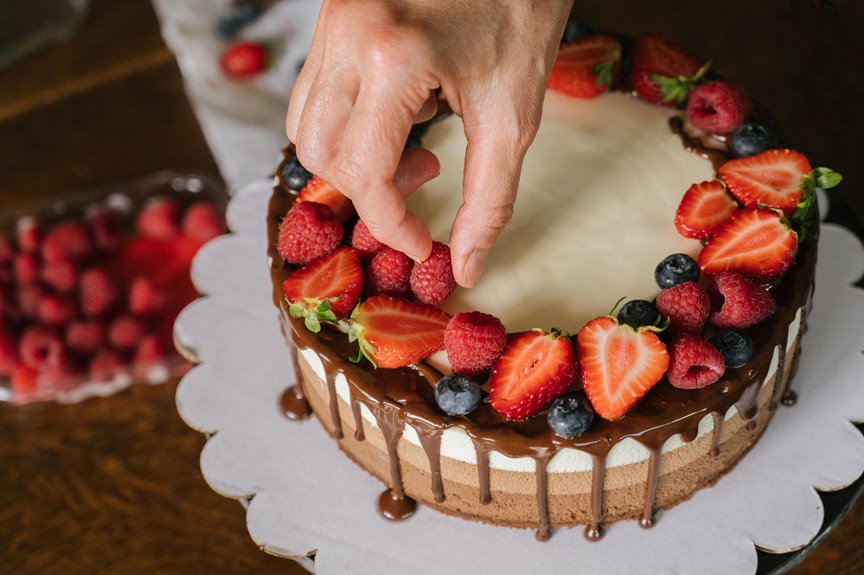
A standard half sheet cake measures 13 by 17 inches, though some pans may vary by an inch or two, so I always confirm exact measurements when ordering.
Most half sheets come as two layers with filling and frosting on top, though single-layer versions are also available.
You can expect 32 to 40 servings depending on how you cut it; 2×2 inch pieces yield about 40, while 2×3 inch cuts give you closer to 32. Pan depth is important; 2 inches works for simple layers, while 3 inches suits taller cakes.
I use roughly 8 cups of batter per single layer or 16 cups for a stacked cake. I will guide you through everything else you need to know.
What Are the Exact Half Sheet Cake Dimensions?
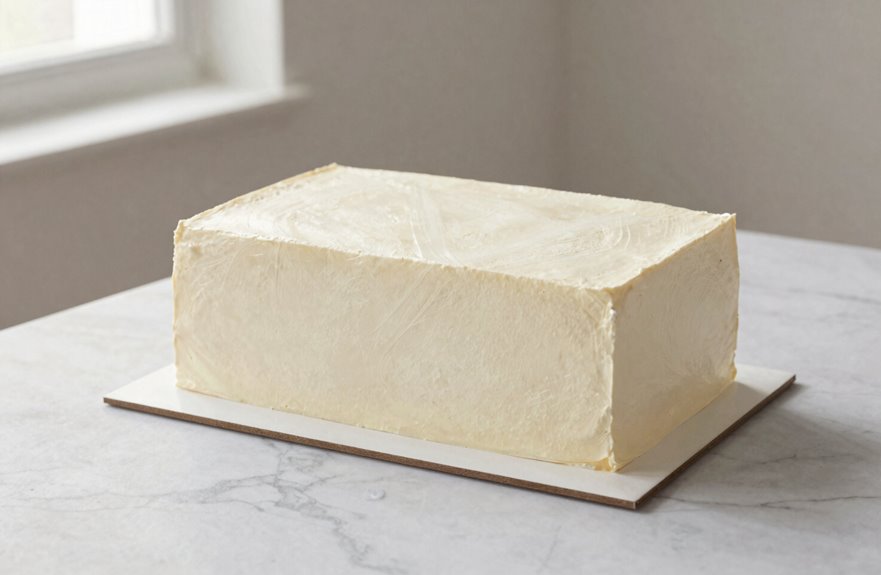
When planning a celebration that requires feeding a crowd, knowing the dimensions of a half sheet cake is essential. Standard sheet cake dimensions measure 13 inches by 17 inches, though some pans may vary by an inch or two.
This slight difference will not affect your party plans.
It’s advisable to confirm your baker’s specific measurements when ordering. Most half sheet cakes come as two layers with filling and frosting on top, but single-layer versions are also available for simpler occasions.
Serving sizes depend on how you slice the cake; 2×3 inch pieces are standard. Understanding these sheet cake dimensions ensures that everyone is included and no guest leaves hungry.
How Do Half Sheet Sizes Compare to Quarter and Full Sheets?
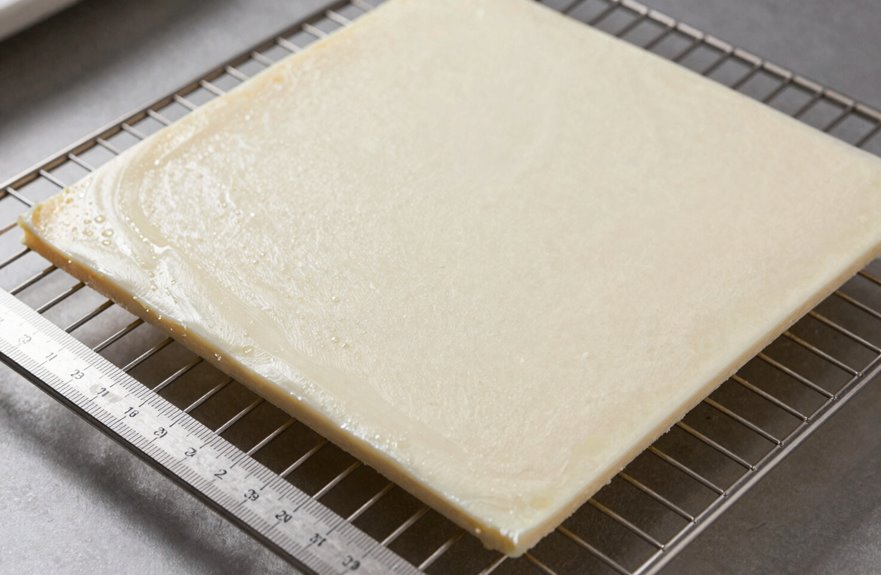
How do half sheet sizes compare to their quarter and full sheet counterparts? Let’s break it down for clarity.
Cake sheets come in three standards, and half sheets sit in the middle. At 13 by 17 inches, they’re larger than quarter sheets (9×13) but smaller than full sheets (16×24).
This size is ideal for most gatherings. A half sheet provides about 2.3 times more surface area than a quarter sheet and roughly 55% of a full sheet’s space.
Like other cake sheets, half sheets typically hold two layers with filling and frosting. When choosing between these options, the half sheet effectively accommodates both casual get-togethers and larger events.
How Many People Does a Half Sheet Cake Serve?
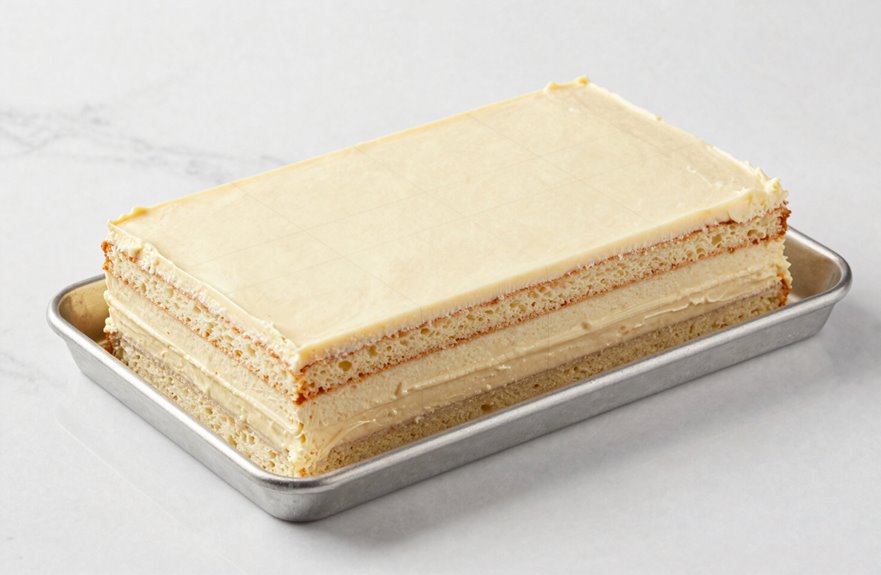
Knowing the dimensions helps, but you likely want to know how many guests you can actually feed. A standard 13×17 inch half sheet typically delivers 32 to 40 servings, depending on how you slice it.
I cut party-style 2×3 inch pieces when I need hearty portions, yielding about 32 servings. When feeding a larger crowd, I opt for 2×2 inch slices, which provides roughly 40 servings.
Wedding planners in my circle often use the 1×2 inch standard, also landing in that same 32–40 serving range.
Layer height influences your final count. A single layer stretches further, while a two-layer half sheet with filling feels more substantial per serving.
Most find that 32–40 servings works well for various gatherings.
What Pan Depth Do You Need for a Half Sheet Cake?
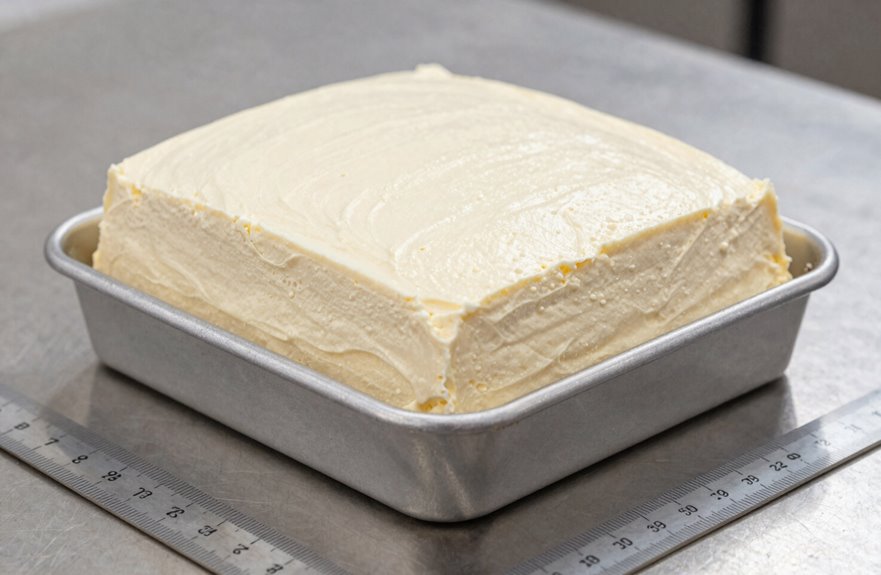
I’ll outline standard depth options first and then discuss the benefits of using a deep pan. A 2-inch pan works well for single layers, while 3-inch deep pans allow for taller cakes or more batter without overflow.
Deep pans also provide flexibility for greater layer heights; however, it’s necessary to adjust bake times and chilling strategies to maintain stability.
Standard Depth Options
Why does pan depth matter so much when I’m baking a half sheet cake? It determines whether my cake rises beautifully or overflows into a mess.
I’ve learned that sheet cake depth shapes every decision I make.
| What I Need | How Deep I Go |
|---|---|
| Simple single layer | 2 inches |
| Classic celebration cake | 2 inches, stacked twice |
| Tall, impressive centerpiece | 3 inches, one deep bake |
| Feeding my whole crew | 2 inches, plenty of slices |
| Minimal fuss, maximum joy | Match depth to my plan |
I stick with 2-inch pans for everyday gatherings; that’s our sweet spot. When I’m building something taller, I stack two layers or grab a 3-inch deep pan.
Choosing wisely means I’m baking alongside others who have figured it out too.
Deep Pan Benefits
How do deeper pans change the game? When I bake half sheet cakes, I choose 3-inch depths because they expand what I can achieve.
These pans hold 22–24 cups of cake batter, allowing me to create taller, more impressive layers without the need for multiple batches.
One deep pan simplifies the process of making a two-layer cake. I achieve 1.5+ inches per layer with real structural integrity, avoiding squashed or wobbly results.
The deeper sides enable my cake batter to rise freely, resulting in those bakery-worthy slices we all admire.
An important tip: deeper pans benefit from heat-conducting cores or nails. This prevents the dreaded dome or undercenter, ensuring even baking throughout.
Together, we can create impressive, professional results with less effort.
How Much Batter Does a Half Sheet Cake Need?
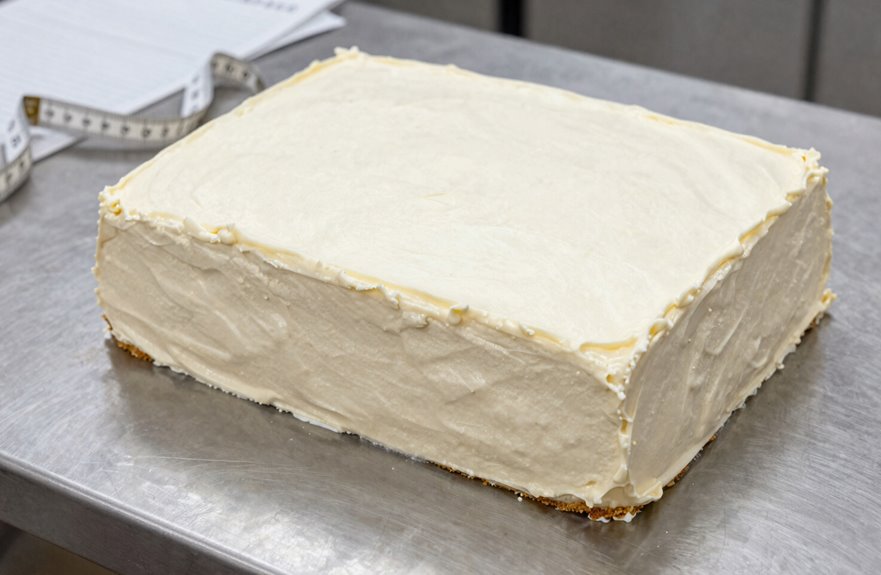
When baking a half sheet cake, determining the right batter amount is essential for good results. Most half sheet pans measure 13×17 inches, and getting the batter volume correct helps avoid sunken centers or overflow.
For a single layer, you’ll need roughly 8 cups of batter. If you’re making a double layer, plan for about 16 cups total.
Boxed mixes yield 4-5 cups each, so I usually grab two boxes for a two-layer cake. You can also calculate the amount using (Width × Length × Height) divided by your rise ratio, then convert to cups.
| Layer Style | Batter Needed | Boxed Mixes Required |
|---|---|---|
| Single layer | 8 cups | 2 mixes |
| Two layers | 16 cups | 3-4 mixes |
| Deep 2″ pans | 10-12 cups/layer | Test first |
What’s the Baking Time and Temperature for Half Sheet Cakes?
Once I’ve measured and poured my batter, I preheat the oven to 350°F (175°C) for my Sheet Cake. This temperature provides reliable, even results.
For a half sheet, I’m working with approximately 8 cups of batter per layer when building two layers. That volume requires patience; these cakes need time to bake.
I place the pan on the center rack and allow the heat to do its work.
To prevent doming and ensure even baking, I sometimes use heat-conducting cores or flower nails in the center.
When a toothpick inserted in the middle comes out clean or with just a few moist crumbs, it’s time to check for doneness.
I let my Sheet Cake rest completely before moving forward. Rushing can compromise the frosting.
Good results require patience.
How Do You Stack and Transport Half Sheet Cakes?
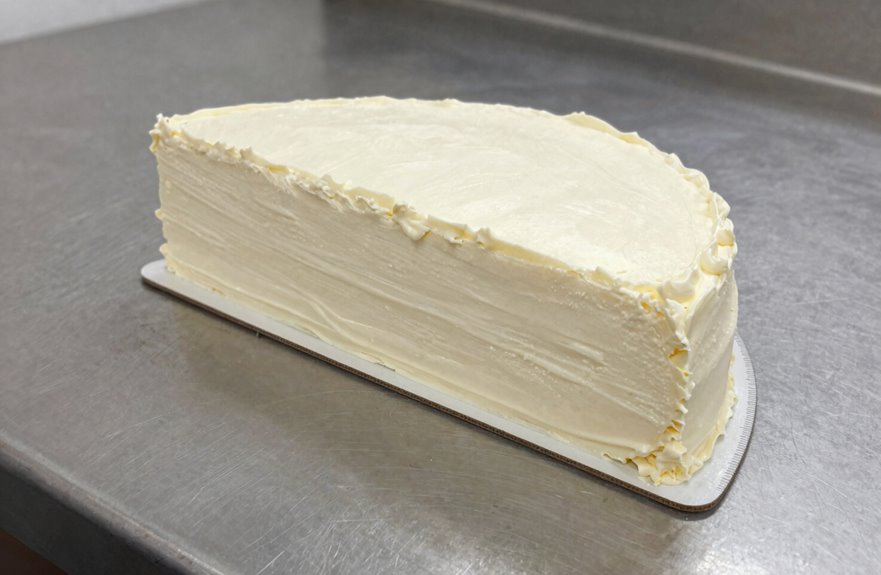
Where do I even begin with a cake this size? Smart cake layering starts with cold layers; chill them first so nothing slides around.
When building a 13×17 inch half sheet, I trim edges for clean sides and use sturdy frosting between layers as my bonding agent. If combining two 9×13 layers, I align those edges carefully for a seamless look.
For transport, I never skip a cake drum or doubled-up boards glued and wrapped for strength. Non-slip mats keep everything steady, and I drive flat with no sharp turns.
Taking these steps helps ensure our creations remain intact and our community is proud.
How Far in Advance Can You Make a Half Sheet Cake?
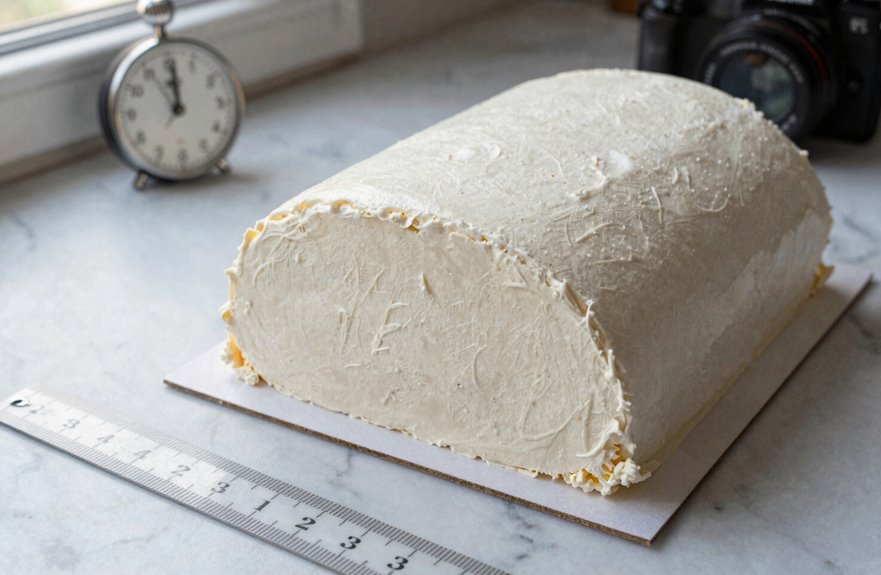
How far ahead can I realistically prep a half sheet cake without sacrificing quality? The sweet spot depends on your storage method.
A frosted sheet cake stays perfect at room temperature for two days, and refrigeration extends that to five days total. For bigger events like weddings, I always recommend the 13×18 inch half sheet cake; it feeds more guests and travels better.
I bake layers up to one month ahead and freeze them. This completely changes my schedule.
I never stack or transport unfrozen layers; I chill them first, which locks in stability for assembly and delivery.
Whether you’re prepping for a family gathering or a client’s big day, these timelines allow you to work ahead without stress. Your sheet cake should make things easier, not add to your workload.