
When choosing a gluten-free ice cream cake, I look beyond just the GF label. I ensure that every layer contains certified gluten-free ingredients, from xanthan gum-bound cake to malt-free mix-ins.
I also verify cross-contact protocols at shops.
Timing the assembly is crucial; I freeze the chocolate base solid before adding fudge and allow a total of six hours for clean slices.
Whether baking or buying from a dedicated bakery, I check that labeling covers every component. Hidden gluten can be found in unexpected places, making thoroughness essential.
How Gluten-Free Ice Cream Cake Is Actually Different
Why does gluten-free ice cream cake deserve its own category? It isn’t just regular cake with substitutions; it’s a complete reimagining of texture and structure that demands respect.
I build my ice cream cake with two distinct cake layers sandwiching frozen goodness. Unlike wheat-based versions, I rely on gluten-free flour blended with xanthan gum to create binding without toughness.
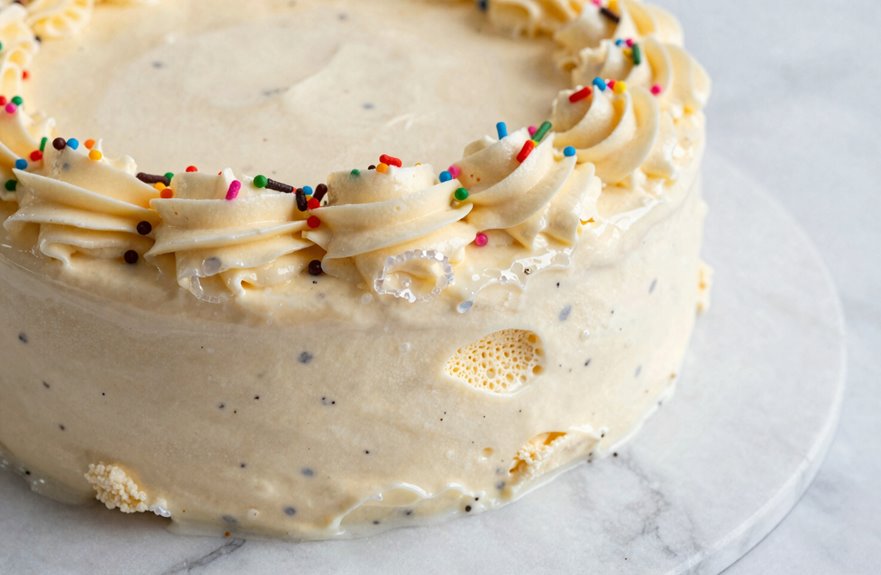
The layers require precision: chocolate ice cream is spread firm and frozen solid, then vanilla is added before another freeze. This freezing technique prevents the dreaded slide when I slice.
I finish with dairy-free frosting; Cocowhip holds beautifully against cold temperatures. Each batch teaches me about patience.
You’re not just accommodating dietary needs; you’re mastering an art form that welcomes everyone to the celebration.
The 7 Ingredients That Hold Your Cake Together
I’ll guide you through the seven ingredients that keep your gluten-free ice cream cake from crumbling into a soggy mess.
We’re discussing smart structural binder choices such as gluten-free flour with xanthan gum and proper leaveners, along with flavor stability factors including cocoa, cinnamon, and that essential buttermilk substitute.
Understanding how these components work together is crucial; omitting even one can disrupt the delicate balance of the recipe.
Structural Binder Choices
How do you keep a gluten-free ice cream cake from crumbling into a mess? I rely on smart structural binder choices that hold everything together.
I start with gluten-free all-purpose flour blended with xanthan gum; this combination mimics gluten’s elasticity and provides the cake with the flexibility it needs. I add eggs as a natural structural binder alongside wet ingredients to enhance cohesiveness.
I make buttermilk using dairy or dairy-free milk with acid, which tenderizes and stabilizes the crumb. I pour boiling water into chocolate batters to activate cocoa and hydrate the mixture for tenderness.
For cake stability during assembly, I bake in two 9-inch pans and freeze layers before adding ice cream and frosting. These techniques ensure your creation remains intact and appealing.
Flavor Stability Factors
Once you’ve got the structure locked in, flavor stability takes center stage. A cake that holds its shape but tastes bland or icy misses the mark.
Nailing a gluten-free ice cream cake means respecting how fat, sugar, and stabilizers in your ice cream layers fight ice crystal formation at freezing temperature. Here are the key factors:
- Stabilizers in both ice cream and whipped cream frosting prevent weeping and collapse.
- Proper freezing temperature and timing (6+ hours) locks in sliceable firmness.
- A firm crumb layer of gluten-free cookies seals edges and stops crumb leakage.
The seven structural ingredients—gluten-free flour blend, eggs, leavening, butter, sugar, milk, and cocoa—work together so every bite tastes as good as it looks. This is a cake worth sharing.
Where Gluten Hides in Ice Cream and Mix-Ins
Where does gluten hide in my favorite frozen treat? I have discovered it can be found in unexpected places.
Malt is particularly sneaky—malted barley, syrups, and malted milk often appear even when wheat isn’t listed in the ingredients. I always scan labels carefully, as gluten-free labeling can help, but its absence does not guarantee safety.
Oat milk bases are tempting, yet I only trust certified gluten-free oats or clear labeling; regular oats are not safe for those with celiac disease.
Natural flavors can also be confusing; unless the source is specified, I contact manufacturers to verify.
Cross-contact is a significant concern at ice cream shops. Shared scoops, toppings, and cones can lead to quick contamination.
I request fresh utensils, dedicated gluten-free cones, and new toppings. These steps allow me to enjoy ice cream while fully participating in our gluten-free community.
Build Your Cake: From Cookie Crunchies to Final Freeze
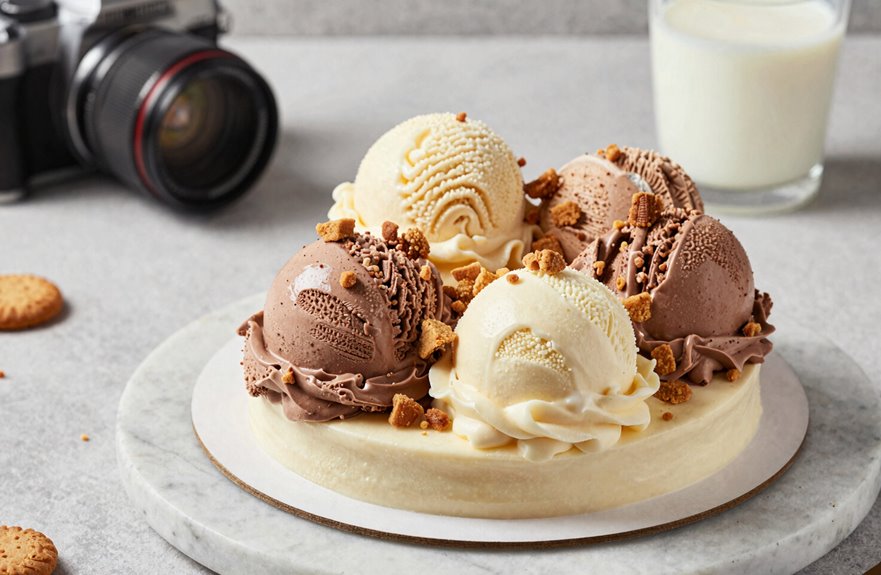
I’ll guide you through layering each component for optimal texture and effective freezing techniques that prevent icy issues.
When selecting ice cream flavors to stack, I consider how their densities interact and always freeze the chocolate base for thirty minutes before adding fudge and cookie crumbs.
Patience during the final four-to-six-hour freeze is crucial for achieving a cake that slices cleanly rather than one that collapses on the plate.
Layer Selection Tips
Layer building reshapes gluten-free ice cream cake from a simple dessert into a showstopper. I line my 8-inch pan with parchment or plastic wrap first; this trick saves me from sticky disasters later.
My assembly freezing steps create a rhythm that enhances the experience of sharing each bite.
Here’s my foundation strategy:
- Press gluten-free cookie crumbs mixed with melted butter into the base.
- Pour hot cream whisked into chocolate chips, butter, and vanilla for my fudge layer.
- Spread softened vanilla ice cream over cookie crunchies before returning to freeze.
I alternate ice cream layers with these textures, freezing for 30 minutes between chocolate additions, 10 minutes for crumbs, then 2–3 hours for vanilla to set firm. Each pause allows us to gather and celebrate what we are creating together.
Freezing Techniques
With my layers stacked and ready, I focus on the cold. Freezing techniques are crucial for a successful gluten-free ice cream cake, so I’m sharing what works.
I freeze each ice cream layer for thirty minutes before adding fudge and cookie crumbs; this creates the distinct textures we crave. I soften my ice cream slightly first to prevent cracking and ensure even spreading between layers.
After each addition, I return the cake to the freezer for two to three hours.
For the final build, I line my pan with plastic wrap and freeze the layered ice cream overnight, aiming for at least six hours. This patience yields a firm, sliceable texture that holds together beautifully.
These steps are essential for achieving the desired outcome.
Dairy-Free Swaps That Keep It Creamy
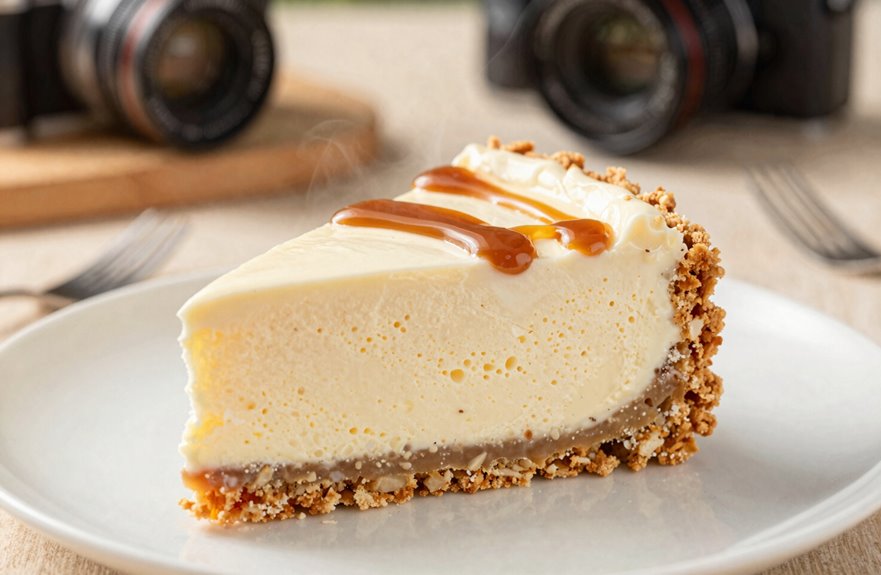
Creaminess isn’t something I’m willing to sacrifice just because I’m skipping dairy. I’ve found we can build an incredible dairy-free, gluten-free ice cream cake that tastes indulgent.
Here are my go-to swaps:
- I replace heavy cream with Cocowhip for fluffy dairy-free frosting that pipes beautifully.
- I choose almond milk or other dairy-free milks when the batter needs liquid.
- I select dairy-free ice cream and verify gluten-free Oreos to avoid cross-contact risks.
The beauty is we’re adapting the same gluten-free base together. Whether you’re dairy-free by choice or necessity, you belong at this table.
I always double-check labels because cross-contact can occur, even in cookie crumbs.
Exact Freeze Times and Serving Temperatures
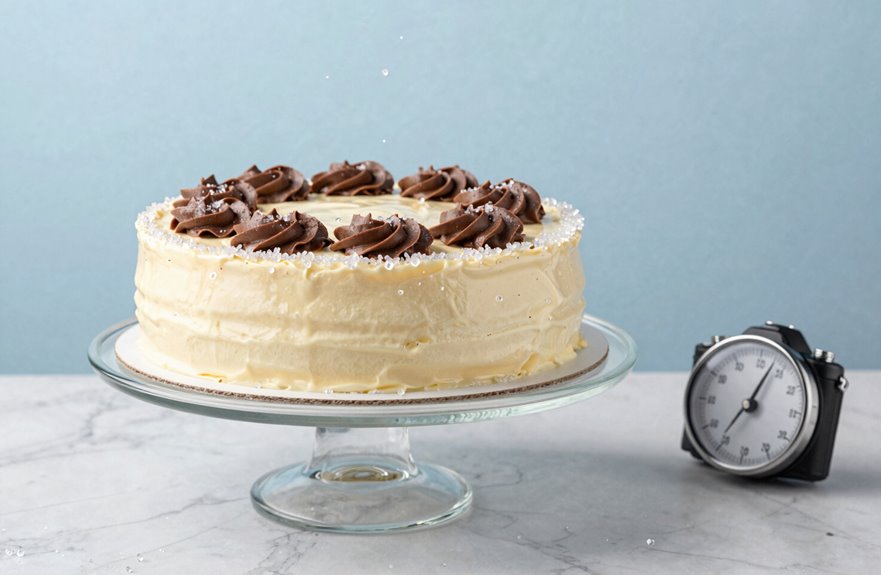
Since I’ve already built my gluten-free base and chosen my dairy-free swaps, I’m ready to finalize the timing that is crucial for this cake.
I freeze each layer separately before assembly to lock in structure. My complete freeze times total six hours for the assembled ice cream cake, with prep pushing the full commitment to seven and a half hours.
I take my time with this process.
For serving temperature, I let it rest briefly at room temperature once fully frozen, then I grab my dipping knife. I dip it in hot water between slices for clean cuts that preserve that ideal frozen texture.
I keep the frosting and final assembly frozen until I’m ready to serve. This protects the layers I’ve carefully built and ensures every bite delivers the intended experience.
When Buying Makes Sense (And What to Look For)
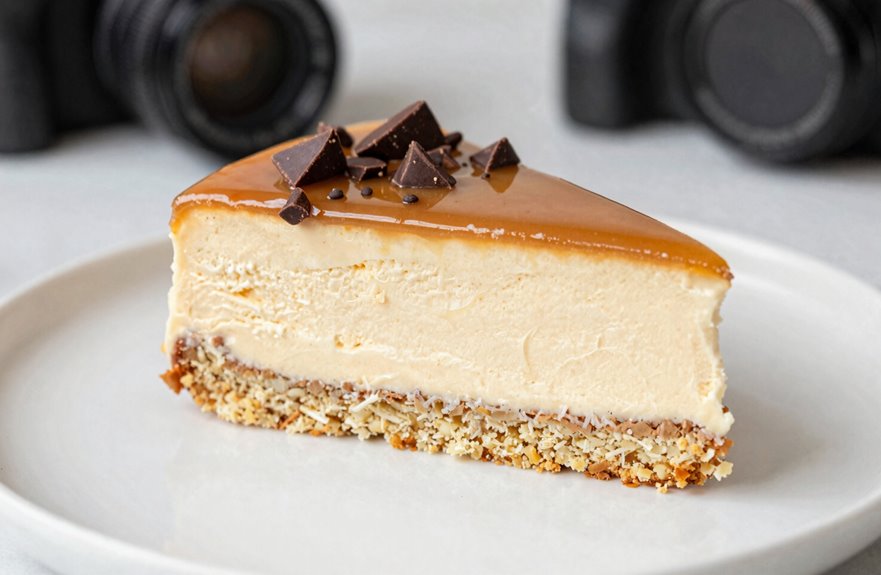
Why make from scratch when buying gets you there faster? Sometimes you need a gluten-free ice cream cake without the hassle, and buying makes sense.
Here are my essential checks before joining the celebration.
- Verify gluten-free labeling covers every component, especially the gluten-free crust.
- Confirm no gluten ingredients hide in cookie additions and ask about cross-contact protocols.
- Request a dairy-free option when needed, specifically dairy-free frosting alternatives.
I examine whether it’s a two-layer cake with proper freezing history. Store-bought options are suitable when I’m short on time, but I prioritize safety.
Our community deserves treats that welcome everyone without worry. These checks help protect the moments that matter most.
Can’t Bake? Here’s Where to Buy One Instead
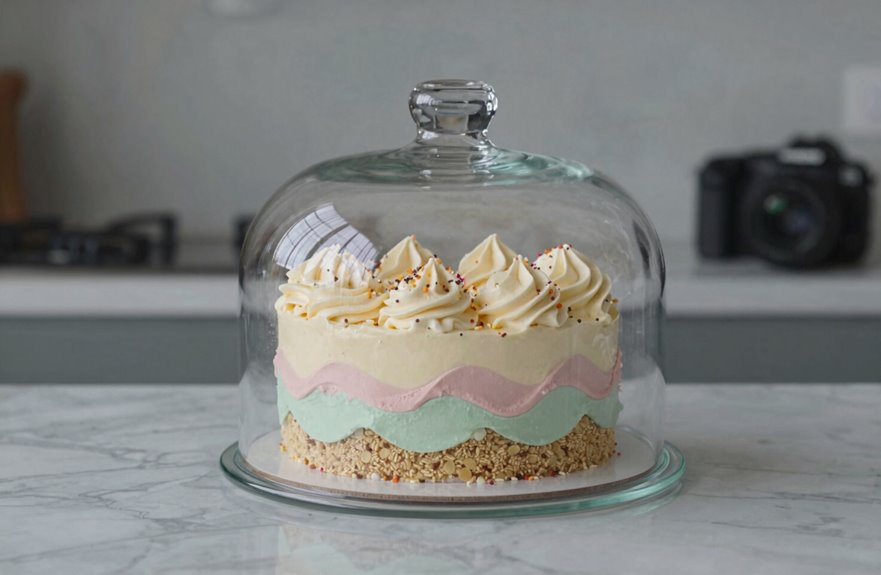
Where can you turn when your kitchen’s off-limits but you still need that perfect gluten-free ice cream cake? Here are some store-bought GF cakes that might suit your needs.
| Option | What You’ll Find |
|---|---|
| Carvel | Carvel GF availability varies; call ahead to confirm. |
| Baskin Robbins | Baskin Robbins GF ice cream cakes (ice cream only, no cake layers). |
| Red Bandana Bakery | Custom gluten-free ice cream cake with full GF labeling. |
| Gluten-free Oreo style | Cookies used for crumbles in specialty shops. |
| Dairy-free needs | Request dairy-free frosting like Cocowhip. |
I always double-check GF labeling on any store-bought GF cakes before celebrating. Our community deserves safe, delicious options without the stress of baking.